Showing posts with label colleges. Show all posts

Thursday, May 18, 2023

Famous What Are The Vii Colleges At Ucsd References

Which Ucsd 7 Colleges UCSD Colleges, UCSC Colleges CA College Transfer
Which Ucsd seven Colleges USA Colleges, the States Colleges CA College Transfer from sabrinamendezz.blogspot.com

Are y'all considering attending United States too wondering what are the 7 colleges? Look no farther! In this article, we will explore the 7 colleges at the States, their unique features, and what makes each i exceptional. Whether y'all're interested in scientific discipline, arts, or social sciences, there'second a college at U.S.A. that will be the perfect check for y'all.

Introduction to the 7 Colleges at United States of America

Choosing the correct college tin live a daunting task. With then many options available, it's important to discover a college that aligns with your interests in addition to goals. The vii colleges at US offering a various reach of academic programs too extracurricular activities, ensuring that every educatee tin detect their niche. However, it tin can be overwhelming to navigate through all the information as well as brand an informed decision. That'sec why nosotros've created this comprehensive lead to aid y'all empathise what makes each college unique as well as what they have to offering.

The seven Colleges at United States

U.S. is known for its unique college organization, which sets it apart from other universities. The 7 colleges are:

  1. Revelle College
  2. Muir College
  3. Marshall College
  4. Warren College
  5. Roosevelt College
  6. Earl Warren College
  7. Seventh College

Each college has its own distinct personality together with academic focus, allowing students to tailor their educational activity to their interests. Whether you lot're interested inward humanities, science, or social sciences, at that place'sec a college that volition supply the right resources too support for your academic journeying.

Revelle College

Revelle College is known for its rigorous academic programs as well as emphasis on interdisciplinary studies. The college offers a broad range of majors, including biological science, chemistry, economics, together with literature. Students at Revelle College are required to complete a set up of full general didactics requirements, known as the "Revelle Plan," which includes courses inward math, scientific discipline, humanities, too social sciences.

One of the highlights of Revelle College is its proximity to the beach. With stunning bounding main views as well as a vibrant campus community, students tin enjoy a perfect residuum between academics and rest.

Muir College

Muir College is named afterwards John Muir, a renowned naturalist together with conservationist. The college is known for its commitment to environmental sustainability in addition to social judge. Muir College offers a variety of majors, including environmental studies, political science, in addition to sociology.

One of the unique features of Muir College is the presence of the Muir Woods, a small-scale woods expanse located on campus. The Muir Woods provides a tranquil environs for students to connect amongst nature in addition to explore their passion for the surround.

Marshall College

Marshall College is named after Thurgood Marshall, the offset African American Supreme Court Justice. The college is known for its commitment to social jurist together with multifariousness. Marshall College offers a broad reach of majors, including ethnic studies, sociology, and international relations.

One of the highlights of Marshall College is the presence of the Thurgood Marshall College Bear, a symbol of the college's commitment to jurist in addition to equality. The deport serves equally a reminder to students to stand up for what they believe inward as well as brand a positive impact on the earth.

Warren College

Warren College is known for its emphasis on scientific discipline, engineering, technology, in addition to mathematics (STEM) fields. The college offers a variety of majors, including calculator scientific discipline, bioengineering, as well as physics. Warren College is dwelling to country-of-the-art enquiry facilities as well as provides students with opportunities to engage inwards cut-edge inquiry.

One of the unique features of Warren College is the presence of the Warren Mall, a fundamental gathering infinite for students. The Warren Mall provides a vibrant in addition to dynamic environs where students tin can collaborate, socialize, too engage inwards extracurricular activities.

Roosevelt College

Roosevelt College is named afterwards Franklin D. Roosevelt, the 32nd President of the U.S.. The college is known for its emphasis on social sciences and humanities. Roosevelt College offers a diversity of majors, including history, political scientific discipline, and philosophy.

One of the highlights of Roosevelt College is the presence of the Eleanor Roosevelt College Bear, a symbol of the college's commitment to social judge as well as equality. The acquit serves as a reminder to students to be active citizens and make a positive bear upon on gild.

Earl Warren College

Earl Warren College is named afterwards Earl Warren, the 14th Chief Justice of the U.S.A.. The college is known for its emphasis on world service as well as leadership. Earl Warren College offers a variety of majors, including populace policy, economic science, together with international studies.

One of the unique features of Earl Warren College is the presence of the Earl Warren College Bear, a symbol of the college's commitment to justice as well as equality. The comport serves every bit a reminder to students to use their instruction to brand a positive affect on the Earth.

Seventh College

Seventh College is the newest add-on to US's college system. The college is designed to address emerging challenges as well as opportunities in the 21st century. Seventh College offers a multifariousness of interdisciplinary majors, including data science, urban studies, together with global wellness.

One of the highlights of Seventh College is its commitment to innovation and entrepreneurship. The college provides students alongside opportunities to develop their job-solving skills and engage inwards hands-on learning experiences.

Conclusion of the seven Colleges at US

Choosing the right college is an important decision that volition shape your academic as well as personal journeying. The seven colleges at the States offer a various range of academic programs and extracurricular activities, ensuring that every student tin notice their niche. Whether yous're interested inwards scientific discipline, arts, or social sciences, in that location's a college at the States that volition furnish the right resources in addition to support for your academic journeying. Take the time to explore each college together with discover the 1 that aligns amongst your interests as well as goals. Good luck!

Sunday, August 1, 2021

Famous Should Colleges Look At Social Media References

Should Colleges End Legacy Preferences?
Should Colleges End Legacy Preferences? from upfront.scholastic.com

Should colleges look at social media? This is a question that has sparked much debate in recent years. With the rise of social media platforms and the abundance of personal information available online, many colleges and universities are considering whether or not to use social media as part of their admissions process. In this article, we will explore the pros and cons of colleges looking at social media, and whether or not it is a fair and effective way to evaluate prospective students.

One of the main concerns surrounding colleges looking at social media is the invasion of privacy. Students argue that their social media profiles are personal spaces where they should be able to express themselves freely, without fear of judgment or consequences. They worry that colleges looking at their social media profiles may lead to unfair bias or discrimination based on their online activities.

On the other hand, colleges argue that social media provides a valuable insight into a student's character and behavior. They believe that by looking at a student's social media presence, they can get a better understanding of their interests, values, and overall fit for the college community. They argue that it is a way to ensure that they are admitting students who align with their institutional values.

In conclusion, the decision of whether or not colleges should look at social media is a complex one. While it can provide valuable information about a student's character, it also raises concerns about privacy and fairness. Ultimately, colleges should consider whether the benefits outweigh the risks and make an informed decision based on their institutional values and goals.

Should Colleges Look at Social Media: Exploring the Pros and Cons

When it comes to the question of whether colleges should look at social media, there are several factors to consider. On one hand, social media can provide colleges with a unique glimpse into a student's life and personality. It allows admissions officers to see a more holistic picture of an applicant, beyond their academic achievements and extracurricular activities.

For example, a student who portrays themselves as a dedicated activist on their application may have a social media presence that contradicts that image. This could raise questions about their authenticity and commitment to the causes they claim to be passionate about. On the other hand, social media can also be misleading, with students presenting a carefully curated version of themselves that may not reflect their true character.

Another potential benefit of colleges looking at social media is the ability to identify red flags or concerning behavior. Admissions officers may come across posts or comments that raise concerns about a student's mental health, potential involvement in illegal activities, or engagement in harmful behaviors. In these cases, social media can serve as an early warning sign and give colleges the opportunity to intervene and provide support if necessary.

However, there are also significant drawbacks to consider. One of the main concerns is the potential for unconscious bias and unfair judgment based on social media profiles. Admissions officers may inadvertently make assumptions about a student's character or suitability for the college based on their social media presence, without considering the context or the possibility of misrepresentation.

Furthermore, the invasion of privacy is a major concern. Students argue that their social media profiles are personal spaces where they should be able to express themselves freely, without fear of judgment or consequences. They worry that colleges looking at their social media profiles may lead to unfair bias or discrimination based on their online activities.

Overall, the decision of whether or not colleges should look at social media is a complex one. It requires careful consideration of the potential benefits and drawbacks, as well as the ethical implications. If colleges choose to incorporate social media into their admissions process, it is essential that they do so responsibly, with clear guidelines and a commitment to fairness and privacy.

The History and Myth of Should Colleges Look at Social Media

The question of whether colleges should look at social media is a relatively new one, born out of the digital age. In the past, colleges relied solely on traditional application materials, such as transcripts, essays, and recommendation letters, to evaluate prospective students. However, with the advent of social media platforms, colleges now have access to a wealth of additional information about applicants.

Some argue that colleges looking at social media is a natural evolution of the admissions process. They believe that it allows colleges to gain a more comprehensive understanding of a student's character and potential fit for their institution. They argue that social media provides a window into a student's life outside of the classroom, showcasing their interests, passions, and values.

Others, however, view the incorporation of social media into the admissions process as an invasion of privacy. They argue that a student's social media presence should be separate from their academic and professional life, and that it should not be used as a determining factor in the college admissions process. They believe that evaluating applicants based on their social media profiles may lead to unfair bias and discrimination.

So, where does the truth lie? The reality is that there is no one-size-fits-all answer to this question. The use of social media in college admissions is still a relatively new practice, and there is ongoing debate about its efficacy and fairness. As colleges continue to navigate this digital landscape, it is important that they approach the issue with transparency, sensitivity, and a commitment to privacy and fairness.

The Hidden Secret of Should Colleges Look at Social Media

While the debate about whether colleges should look at social media is often centered around its potential benefits and drawbacks, there is a hidden secret that is often overlooked. The truth is that colleges are already looking at social media, whether they admit it or not.

Many colleges have unofficially incorporated social media into their admissions process, with admissions officers conducting online searches of applicants to gather additional information. This practice is often referred to as "admissions stalking" or "social media screening." While colleges may not explicitly ask for social media profiles as part of the application, they are still using this information to inform their decisions.

So, why the secrecy? One reason is that colleges may be concerned about the ethical implications of officially incorporating social media into the admissions process. They may fear backlash from students, parents, and the public who view this practice as an invasion of privacy. By keeping their social media screening practices under the radar, colleges can avoid the scrutiny and criticism that may come with openly admitting to using social media in admissions decisions.

However, this secrecy also raises concerns about fairness and transparency. If colleges are going to consider social media as part of the admissions process, it is essential that they do so openly and with clear guidelines. Students should be informed about the possibility of their social media profiles being reviewed and given the opportunity to present themselves in the best possible light, while still maintaining their privacy.

Recommendations for Should Colleges Look at Social Media

While the decision of whether or not colleges should look at social media is a complex one, there are some recommendations that can help guide colleges in their approach:

  1. Establish clear guidelines: Colleges should develop clear guidelines for how social media will be used in the admissions process. This includes what types of information will be considered, how it will be evaluated, and how privacy concerns will be addressed.
  2. Train admissions officers: Admissions officers should receive training on how to evaluate social media profiles objectively and fairly. This includes understanding the potential for unconscious bias and the importance of considering context when reviewing social media content.
  3. Communicate with applicants: Colleges should be transparent with applicants about their social media screening practices. Students should be informed that their social media profiles may be reviewed and given the opportunity to present themselves in the best possible light.
  4. Consider alternatives: Colleges should consider alternative methods for evaluating a student's character and potential fit for their institution. This could include interviews, additional essays, or letters of recommendation.

By following these recommendations, colleges can ensure that they are incorporating social media into their admissions process in a responsible and fair manner.

Should Colleges Look at Social Media: A Closer Look

Now let's take a closer look at the topic of should colleges look at social media. Social media has become an integral part of our daily lives, with millions of people around the world using platforms such as Facebook, Instagram, and Twitter to connect with others, share their thoughts and experiences, and express themselves creatively. In recent years, colleges and universities have started to take notice of this digital footprint and consider whether or not it should be a factor in their admissions process.

On one hand, proponents argue that social media provides a more holistic view of a student's character and potential fit for a college or university. They believe that by looking at a student's social media presence, admissions officers can gain insights into their interests, values, and overall personality. For example, a student who portrays themselves as a dedicated activist on their application may have a social media presence that showcases their involvement in community service and activism. This can provide evidence of their commitment and passion for making a difference.

On the other hand, critics argue that evaluating applicants based on their social media profiles is unfair and intrusive. They believe that a student's social media presence should be separate from their academic and professional life, and that it should not be used as a determining factor in the admissions process. They worry that colleges may make assumptions about a student's character or suitability for the institution based on their social media presence, without considering the context or the possibility of misrepresentation.

So, what is the answer? The truth is that there is no one-size-fits-all approach to this question. Each college and university must carefully consider the

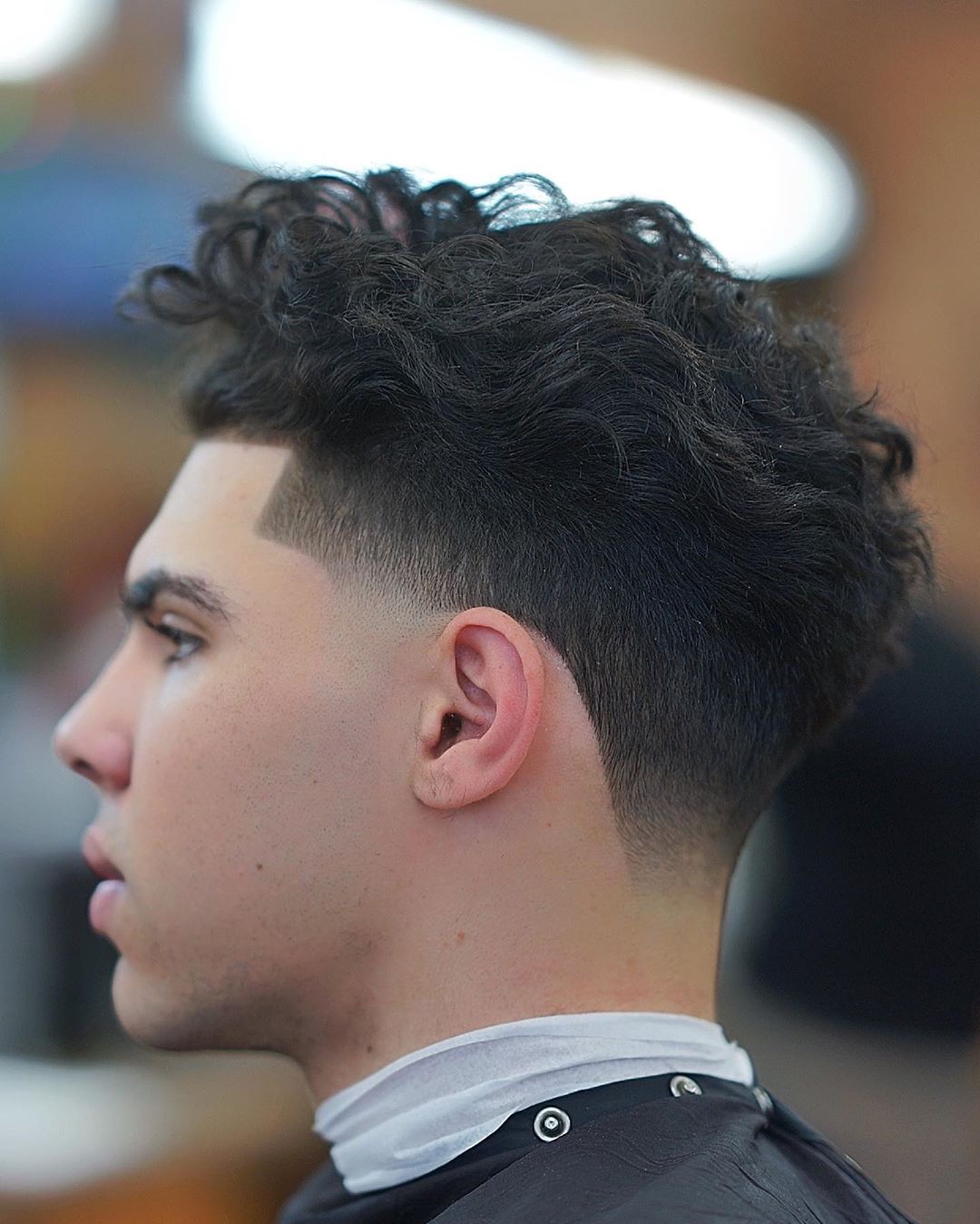
Types of Fades The 7 Main Styles & 100+ Examples

Table Of Content Bald Drop Fade Different Types of Fades Tutorial: How to Create 360 Waves For Guys Fade Style Options & Hair Prep Stunn...